Before the Bling-Bling: Harald Glööckler's Youth and Style Evolution
Harald Glööckler. The name itself conjures images of opulent crowns, sparkling rhinestones, and a flamboyant personality that has become synonymous with "Pompöös" luxury. His public persona is one of unapologetic glamour, a sartorial maximalist who dares to dazzle. Yet, peering behind the velvet curtains of his current lavish empire reveals a past that was far from glittering. Indeed, the journey of Harald Glööckler, the man who would become a German design icon, began with humble, often challenging, origins. When we delve into the question of what Harald Glööckler was like
Harald Glööckler Jung – a young man navigating a complex world – we uncover a compelling narrative of resilience, ambition, and a gradual, yet profound, style evolution that ultimately shaped the phenomenon we know today.
The Unseen Beginnings: Harald Glööckler's Early Life and Influences
Born Harald Glöckler on May 30, 1965, in Zaisersweiher, a district of Maulbronn, Germany, his early life stood in stark contrast to the extravagant world he would later create. His parents managed a modest restaurant, and his father, a trained butcher, provided a starkly different environment from the sophisticated fashion houses Glööckler would eventually inhabit. Childhood, as Glööckler himself describes it, was a traumatic period marked by immense hardship. His father was violent and an alcoholic, casting a long shadow over the household. Adding to the profound difficulties, Glööckler disclosed a sexual assault by a family friend, a trauma he felt unable to address given his unstable home environment.
The tragedy escalated when, at just 13 years old (or 19 according to some accounts), his mother died following a fall down the stairs. While officially ruled an accident, Glööckler harbored a deep conviction that his father was responsible, a belief that irrevocably fractured their relationship. For a deeper understanding of these formative and challenging years, explore
Harald Glööckler's Traumatic Youth: Childhood Before the Crowns. It was within this crucible of adversity that the seeds of his future artistic expression began to sprout, perhaps as a form of escape or a means to create beauty where little existed.
Despite the darkness, a nascent passion for fashion flickered within him. Even as a teenager, Harald Glööckler was already captivated by the transformative power of clothing, often sewing elaborate evening gowns for acquaintances. This early inclination suggests that his penchant for dramatic design wasn't an acquired taste but an inherent part of his creative spirit. A significant early influence was his grandmother, whom he fondly remembered as a "true diva." Her elegance and flair likely offered a glimpse into a world of glamour and self-expression that resonated deeply with the young Glööckler, shaping his aspirations and igniting his imagination.
From Retail Floors to Runway Dreams: The Professional Ascent
The path to becoming a world-renowned designer wasn't direct. Harald Glööckler first grounded himself in the practicalities of the fashion industry. He completed an apprenticeship as a retail salesman at "Modekaufhaus Sämann," a fashion department store, gaining valuable insights into the commercial side of style. His early career saw him working as a salesman in the men's department of a fashion house in Mühlacker, honing his sales skills and understanding customer preferences. This foundational experience in retail provided him with an astute business sense that would prove crucial in building his empire.
The pivotal moment arrived on November 30, 1987, when, alongside his then-partner and manager, the menswear outfitter Dieter Schroth, Glööckler opened his first fashion boutique, "Jeans Garden," in Stuttgart. Initially, the store focused on Glööckler's custom-designed jeans and shirts – a far cry from the glittering gowns he's known for today. This venture marked the true beginning of his entrepreneurial journey. The business quickly evolved, eventually transforming into "Pompöös," the name that would become synonymous with his brand. In 1990, the duo officially launched a modelabel under the "Pompöös" moniker, cementing their presence in the fashion world. For more details on these crucial early business steps, read
Harald Glööckler's Early Career: From Jeans Garden to Pompöös.
The year 1994 marked a significant milestone with their first independent fashion show held at Stuttgart's prestigious Neues Schloss (New Palace). This grand event was accompanied by the production of a song titled "Pompöös Is My Life," complete with a music video. This blend of fashion, music, and performance hinted at the multi-faceted, entertainment-driven approach that would define Glööckler's brand. The following year, Glööckler, Schroth, and other members formed the music group Pompöös, making appearances on popular German television shows like "Nachtclub Hexenkessel," "Arabella," and "RTL Nachtshow." These early forays into media and entertainment laid the groundwork for his future celebrity status, introducing his unique aesthetic to a wider audience.
The Evolution of an Icon: Style Transformation and Global Recognition
The
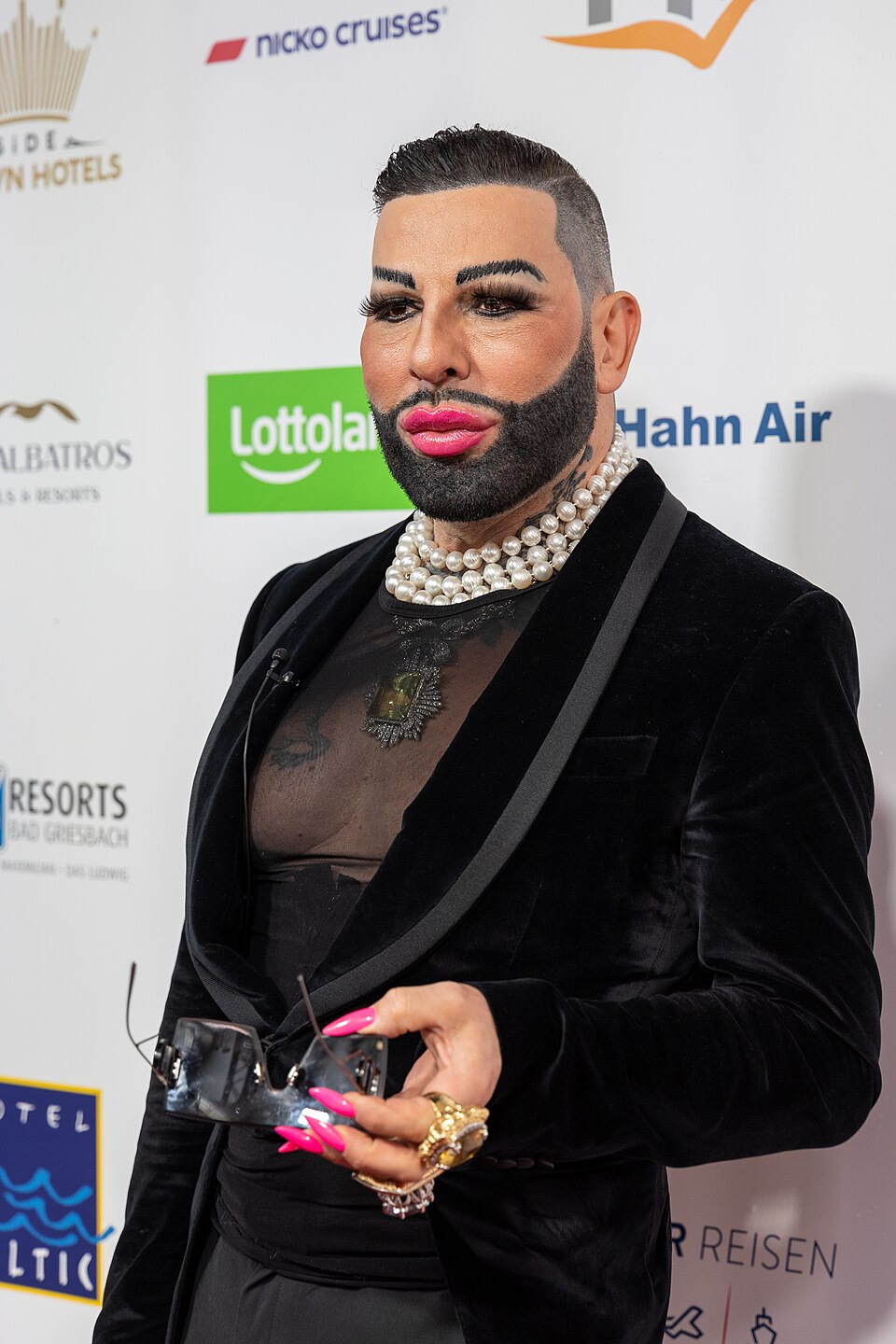
Harald Glööckler Jung we see in early photographs, particularly from two decades ago as revealed in an Instagram post by the designer himself, presents a stark contrast to his current flamboyant image. Back then, he wasn't yet the ardent devotee of glitter, glamour, and "Bling-Bling" that he is today. This initial reserved style underscores a gradual, deliberate evolution into the maximalist aesthetic that defines him. It shows that his signature look wasn't an overnight creation but a carefully curated transformation, perhaps reflecting an increasing comfort with expressing his inner world externally.
His signature style, which gained global recognition, is characterized by rhinestone-studded and glittering creations that exude extravagance. The crown motif, often paired with the iconic "POMPÖÖS" lettering, became his unmistakable trademark. This emblem of royalty and luxury wasn't merely a design choice; it was a statement, a declaration of his brand's philosophy and a reflection of his own personal journey from humble beginnings to the "Prince of Pompöös." His work challenged conventional notions of taste, embracing ornate beauty and theatrical flair in a way that captivated a loyal following.
The mid-1990s also saw Harald Glööckler's rise to international prominence, attracting high-profile clients and forging friendships with legends. In 1995, he gained none other than Gina Lollobrigida and Chaka Khan as clients and friends. These iconic figures not only admired his designs but became part of his expanding universe. Lollobrigida herself opened his second fashion show in 1995, held at Stuttgart's Alte Reithalle, an event further graced by performances from Chaka Khan and opera singer Grace Bumbry. Such endorsements from global stars solidified his reputation and propelled "Pompöös" onto the international stage, demonstrating that his unique blend of high fashion and dramatic spectacle resonated across cultures.
Insights into the Glööckler Phenomenon
What can we glean from Harald Glööckler's remarkable journey? His story is a powerful testament to the idea that personal style is often deeply intertwined with one's life experiences. The traumatic childhood, the struggle, and the yearning for beauty and recognition appear to have fueled his audacious designs. His "Pompöös" creations are more than just clothes; they are a celebration of fantasy, a rebellion against the mundane, and perhaps, a personal triumph over adversity. He created his own kingdom, adorned with crowns and glitter, transforming his environment and persona into the dream he always envisioned.
For aspiring designers or anyone seeking to cultivate a distinctive personal brand, Glööckler's evolution offers valuable lessons:
* **Authenticity is Key**: While his style evolved, it always felt authentic to his developing persona. His maximalism is not a gimmick but a genuine expression.
* **Build Your Brand**: From the "Jeans Garden" to "Pompöös," he systematically built his brand identity, complete with a distinctive name, logo (the crown), and memorable catchphrases.
* **Embrace the Journey**: His path wasn't linear. He started in retail, designed jeans, and then moved into high glamour. Each step contributed to his expertise and vision.
* **Networking and Partnerships**: His collaboration with Dieter Schroth and befriending celebrity clients were crucial for growth and visibility.
* **Don't Be Afraid to Sparkle**: Sometimes, going against the grain and embracing what truly excites you, no matter how unconventional, can lead to unparalleled success.
Conclusion
From a childhood marked by profound challenges and a relatively understated beginnings in retail, Harald Glööckler has meticulously crafted an empire built on glamour, glitz, and an unwavering commitment to his unique vision. The transformation from
Harald Glööckler Jung – the young man with a nascent interest in fashion – to the globally recognized "Prince of Pompöös" is a compelling narrative of resilience and creative self-actualization. His journey reminds us that true style is often a reflection of an inner world, a powerful statement of identity forged through life's diverse experiences. Today, his crowns and crystals don't just adorn his designs; they symbolize his triumph, a shimmering testament to the power of imagination and the courage to live a life "Pompöös."